Albatross Embroidery Design Review for Business Merch
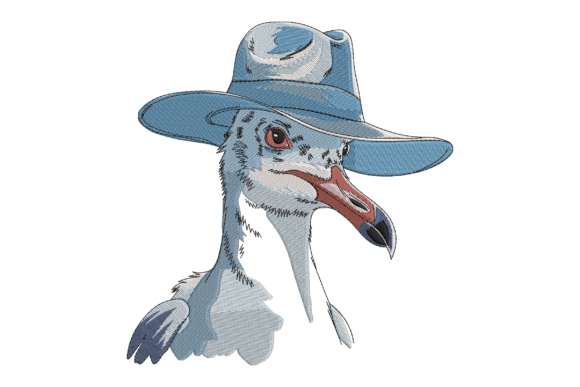
As a professional embroidery designer who has spent years refining digital files for commercial use, I approach every new asset with a critical eye. When evaluating the Albatross machine embroidery design, I am not just looking at a pretty bird; I am assessing its viability as a core component of a small business's visual identity. The product description promises to "spruce up your fabrics" with a "lively and creative touch," which is an excellent starting point for brands looking to add personality to their merchandise.
First Impressions: Personality and Professionalism
The moment you load the Albatross embroidery file into your digitizing software, the first question you must ask is: does this feel like a premium brand asset or just a decorative clipart? Based on the title and the promise of bringing personality to any item, this design leans heavily towards a friendly, approachable aesthetic. It suggests a vibe that is perfect for creative studios, boutique shops, bakeries, or pet brands that want to appear accessible yet high-quality.
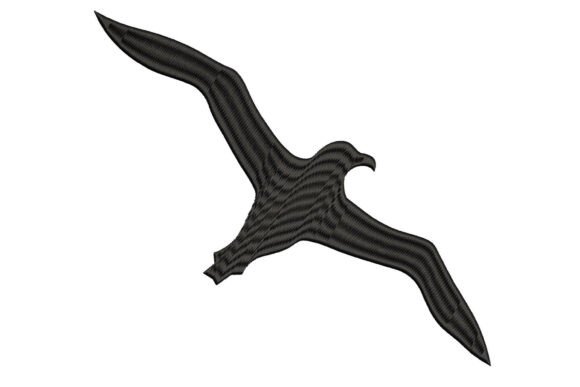
In the world of brand identity, the difference between a generic logo and a custom piece of art lies in the execution. A design described as "captivating" needs to hold up under scrutiny. For a small business owner, the Albatross design offers a lively accent that can humanize a uniform or elevate a simple tote bag. However, "lively" can sometimes mean "busy." As a designer, I immediately consider how the lines flow and whether the silhouette remains clear when stitched. If the design captures the essence of flight and freedom, it could serve as a powerful symbol for travel agencies, florists, or outdoor apparel lines.
Real-World Application for Small Business Merch
The true test of any digital embroidery file is its performance in a real-world production environment. Let's imagine a scenario where a local café wants to launch a line of branded aprons and staff caps. The Albatross design could function beautifully as a chest logo accent or a subtle detail on the sleeve of a work shirt. Its versatility allows it to transition from a large statement piece on a towel to a smaller, refined mark on a cap.
For handmade product creators and Etsy sellers, this design is particularly valuable. Imagine using it on a custom apparel line for a boutique. An embroidered patch featuring the Albatross could be sewn onto denim jackets or canvas tote bags, creating a collectible element that drives customer engagement. The design's potential to act as a product label adds a layer of authenticity that mass-produced goods often lack. When a customer sees a well-executed embroidered patch on a bag, they perceive higher value in the product itself.
Furthermore, the design fits seamlessly into event merchandise. Whether it is a craft fair, a trade show, or a community workshop, the Albatross motif provides a cohesive theme. You could create matching sets of apron embroidery for bakers or floral shop workers, ensuring that the team looks unified while the customers receive a memorable gift. The ability to adapt this design across various items—from home decor to small business merch—makes it a versatile tool for any entrepreneur looking to expand their product line.
Versatility in Branding Assets
- Apron Embroidery: Perfect for kitchen staff or artisans, adding a splash of color to functional wear.
- Cap Embroidery: Ideal for front-panel placement, offering a classic look for casual branding.
- Tote Bag Design: Serves as a durable, stylish handle accent or central graphic.
- Product Packaging Accents: Adds a tactile, premium finish to boxes or tags.
Strategic Considerations and Potential Pitfalls
While the Albatross design has great potential, there are specific areas where a designer must exercise caution. Not all applications are created equal. If you intend to use this design for tiny patches or very small logos on a keychain, you must evaluate the stitch density carefully. Intricate details that look good on a computer screen can become muddy blobs when stitched too small.
Curved surfaces, such as the front of a baseball cap, present another challenge. The design must be digitized with appropriate pull compensation to ensure the bird doesn't look distorted when the fabric wraps around the curve. Similarly, if you plan to embroider this on dark uniforms, thread color contrast becomes paramount. A light-colored outline might disappear against a black background, losing the definition that makes the design "captivating."
Fabric texture also plays a significant role. On a rough, textured material like heavy canvas or raw denim, fine lines may get lost. Conversely, on smooth satin or silk, high stitch counts might cause puckering. Additionally, items that require frequent washing, such as chef aprons or work shirts, need a robust design. If the stitch density is too low, the embroidery may fray over time, damaging the brand's reputation for quality. Always verify the stability of the design before committing to a large production run.
Impact on Brand Identity and Customer Trust
Every stitch tells a story about your business. A poorly executed design can signal carelessness, while a polished commercial embroidery project signals professionalism. The Albatross design, when used correctly, enhances visual consistency across your brand assets. It helps customers recognize your products instantly, building trust and loyalty.
When a customer receives a gift or purchases a product with a high-quality embroidered logo, they feel a connection to the maker. This is especially true for handmade products and artisanal goods. The design elevates the perceived value of the item, making it feel more exclusive and thoughtfully crafted. By integrating this design into your finished product line, you are investing in a long-term visual strategy that supports growth and recognition.
Practical Designer Notes for Production
Before you start stitching, follow these essential steps to ensure success. First, always test the design in black and white within your software to check the layout and spacing without the distraction of colors. Review the thread colors to ensure they provide enough contrast against your intended fabric texture.
Confirm the hoop size requirements for your specific project. A design that works perfectly in a 5x7 hoop might need resizing for a smaller cap hoop. Inspect the spacing between stitches to avoid gaps or overcrowding. Use the proper stabilizer for your fabric type; this is crucial for preventing distortion, especially on stretchy materials.
Create a printable mockup for client approval before running a full batch. This allows stakeholders to visualize the final result on different items. Compare the Albatross design alongside other design assets in your library to ensure it complements your existing brand style. Finally, confirm the commercial licensing terms of the file. Ensure you have the legal right to use the design on items you intend to sell for profit.
If the product description does not specify exact stitch counts, file formats, or license terms, do not assume. Contact the provider or check the documentation to avoid legal issues or production errors. By treating the machine embroidery design as a strategic business tool rather than just a decoration, you can maximize its impact on your brand.
In conclusion, the Albatross design offers a lively and creative opportunity for small businesses to enhance their merchandise. With careful planning and attention to technical details, it can become a cornerstone of your brand's visual language, turning simple fabrics into memorable experiences for your customers.