Ember-Tailed Sky Dancer Review
As an embroidery designer who has spent years refining my craft and curating collections for small businesses, I often find myself standing at the crossroads of artistic vision and practical application. Recently, I had the opportunity to put Ember-Tailed Sky Dancer through its paces before adding it to my recommended list for personalized gift products. This isn't just another digital file; it is a machine embroidery design that demands attention to detail and a clear understanding of how it will translate from a screen to a finished textile. My goal was to determine if this piece truly holds the potential to become a best-seller in a boutique shop or a standout item on an Etsy listing.
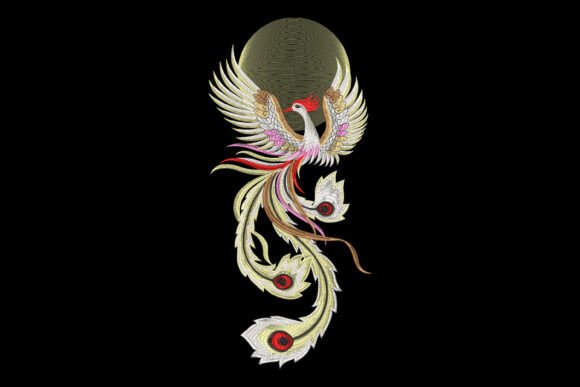
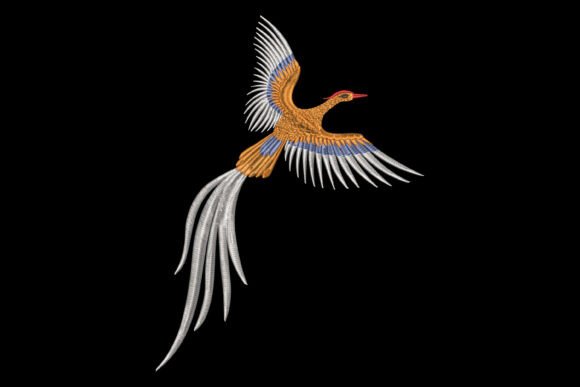
The moment you open the file, the mood of Ember-Tailed Sky Dancer is immediately apparent. It captures the elegance and energy of a mythical bird soaring through the heavens, its tail glowing like embers in the wind. The intricate details suggest a creature that is both powerful and graceful. For a designer looking to create meaningful gifts, this level of charm offers a unique emotional hook. It feels less like a generic pattern and more like a story waiting to be stitched onto fabric. Whether you are targeting customers looking for modern decor or classic keepsakes, the design strikes a balance between playful energy and sophisticated artistry.
From Digital File to Personalized Gift
The true test of any embroidery file lies in its versatility across different product categories. In my testing scenario, I envisioned this design as a centerpiece for a high-end baby blanket. The flowing lines of the bird's wings and the dynamic movement of the ember-tail would look stunning on soft, neutral cottons or gentle pastels. The design's ability to convey warmth makes it perfect for baby embroidery projects, where parents are seeking items that feel handmade and full of love. The perceived value of a custom embroidered blanket increases significantly when the design tells a story, and Ember-Tailed Sky Dancer certainly does that.
Beyond nursery items, I explored how this design could serve wedding gift designers and those creating family keepsakes. Imagine a set of matching pillow covers featuring this bird, perhaps with the couple's initials woven subtly into the background. The elegance of the motif elevates the entire aesthetic, making it suitable for a wedding gift that guests will display rather than store away. Similarly, for kitchen towel enthusiasts, the design works beautifully on linen or heavy cotton blends. An embroidered towel featuring the soaring bird adds a touch of whimsy to a functional item, appealing to homeowners who appreciate artisanal touches in their daily routines.
For the savvy Etsy seller or crafter selling tote bags and aprons, Ember-Tailed Sky Dancer offers a distinct advantage. A canvas tote bag adorned with this mythical bird becomes a statement piece, while an apron worn by a home cook transforms a mundane chore into something artistic. The design's complexity suggests a premium handmade product, which allows small business owners to command higher prices. When customers see the depth of the stitching and the thoughtfulness of the imagery, their trust in the brand grows, leading to repeat purchases and positive reviews.
Strategic Placement and Product Considerations
While the design is visually captivating, there are specific scenarios where Ember-Tailed Sky Dancer requires careful consideration. Not every fabric surface is created equal, and the success of the final product depends heavily on material selection. For instance, using this design on stretchy baby clothes can be risky. The tension of the fabric combined with the density of the stitches might lead to puckering if not stabilized correctly. It is far better suited for stable fabrics like quilting cotton, denim, or tightly woven linens.
Texture also plays a critical role. Thick towels or heavily textured fabrics can obscure the finer details of the bird's feathers and the glowing tail. If the fabric is too plush, the machine may struggle to penetrate deeply enough, resulting in a flat appearance. Additionally, curved surfaces present a challenge. While a tote bag or a pillow cover offers relatively flat areas for stitching, attempting to place this design on a rounded hat or a contoured cup holder without proper equipment could distort the shape of the bird. Dark fabric is another factor to weigh; while the design likely includes vibrant thread colors to simulate the "ember" glow, contrast is key. On very dark backgrounds, lighter threads may get lost unless a high-quality underlay is used.
Furthermore, products that require frequent washing, such as everyday kitchen aprons or children's clothing, need durable stitching. High stitch density can sometimes make the fabric stiff, affecting the drape of the garment. Before committing to a large production run, I strongly advise testing the design on scrap fabric to ensure the finish remains soft and comfortable after multiple wash cycles.
Practical Notes for the Embroidery Maker
To ensure your finished product meets professional standards, several technical steps must be followed. First and foremost, always test on scrap fabric. This simple step reveals issues with thread tension, stabilizer choice, or hoop placement before you risk ruining a customer's order. Pay close attention to the stitch density; if the design is too dense, it may cause the fabric to bunch up, while too little density might leave gaps in the feather details.
Selecting the right thread colors is equally important. The description mentions an "ember" glow, so choosing reds, oranges, and golds will bring the design to life. However, you must verify the contrast against your chosen fabric. A light gray bird on a white shirt will vanish, whereas the same bird on navy blue will pop. Confirm your hoop size matches the dimensions of the design to avoid unnecessary trimming or re-hooping, which can misalign the image. Using a proper stabilizer is non-negotiable; a tear-away or cut-away stabilizer appropriate for your fabric weight will support the intricate details during stitching.
When preparing for sale, compare light and dark fabric mockups to see how the design translates visually. Check small details after stitching to ensure no loose threads or missed stitches remain. Finally, and perhaps most critically, confirm commercial licensing before selling finished products. Ensure that the digital embroidery file grants you the right to sell items made with Ember-Tailed Sky Dancer. Without this permission, you risk legal complications that could shut down your small shop overnight.
Final Thoughts on Design Impact
In conclusion, Ember-Tailed Sky Dancer is a compelling addition to any collection aimed at gift buyers and crafters. Its ability to evoke emotion and add a sense of magic to everyday items makes it a valuable asset for custom embroidery projects. Whether you are creating a one-of-a-kind blanket embroidery piece for a new parent or designing a line of small shop products for a holiday market, this design offers a strong visual identity. By respecting the technical requirements of the machine and the limitations of the fabric, you can transform this digital artwork into a cherished physical memory for your customers. The journey from a pixelated preview to a tangible, stitched heirloom is where the true magic of embroidery happens, and this design provides a beautiful foundation for that process.