FSL Christmas Sock Review for Craft Fairs
As an experienced embroidery designer who has spent countless weekends setting up booths at local craft fairs and preparing inventory for handmade markets, I know that the difference between a design that sits on a shelf and one that flies off the table often comes down to visual impact and production practicality. Today, I am reviewing the FSL Christmas Sock with a specific eye toward how it performs as a commercial product. When you are standing behind a table filled with embroidered tote bags, aprons, tea towels, patches, caps, small pouches, pillow covers, and giftable handmade items, you need designs that command attention immediately.
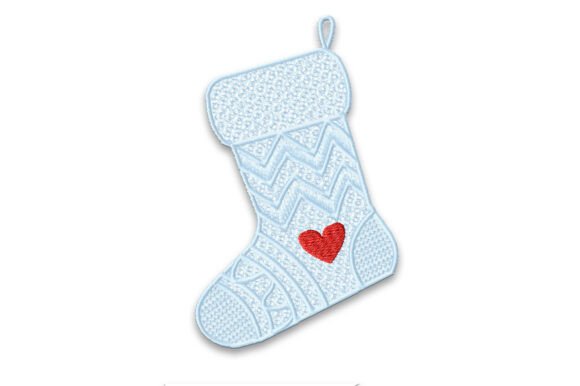
The first impression of the FSL Christmas Sock is one of immediate festivity. The title alone suggests a playful yet cozy aesthetic that fits perfectly into the current market demand for farmhouse, rustic, and modern holiday decor. Unlike generic snowflakes or simple text-based designs, this machine embroidery design promises a unique focal point. It feels bold enough to stand out against dark backgrounds but soft enough to appeal to customers looking for a warm, inviting touch for their homes. For an Etsy seller or boutique maker, this design offers a premium feel that elevates the perceived value of the finished product.
Where FSL Christmas Sock Shines in Product Applications
In my experience evaluating designs for booth displays, not every pattern works equally well on every item. The FSL Christmas Sock is versatile, but its true potential is unlocked when applied to specific products that highlight its shape and detail. Let's look at where this embroidery file truly excels.
- Tote Bag Design: A large, festive sock motif looks incredible on canvas totes. It serves as a perfect gift bag or shopping accessory. The design acts as a statement piece that draws the eye from across the aisle.
- Apron Embroidery: For the home cook or baker selling kitchen goods, placing the FSL Christmas Sock on the bib of a linen apron creates a charming, functional gift. It adds character without overwhelming the garment.
- Tea Towel Embroidery: This is perhaps the strongest category for this design. Tea towels are high-volume sellers at craft fairs. The sock shape provides a natural border or central accent that photographs beautifully for online listings and printable mockups.
- Embroidered Patch: Because this is an FSL (Free Standing Lace) design, it can be stabilized and cut away to create a standalone patch. These are fantastic for attaching to denim jackets, beanies, or market bags, offering a new revenue stream for small shop products.
- Pillow Covers and Fabric Pouches: For larger decorative items, the design adds a seasonal pop of color. On smaller fabric pouches used for storing ornaments or sewing kits, it serves as a delightful, compact accent.
When displaying these items at a craft fair, the FSL Christmas Sock stands out because it implies a level of craftsmanship that goes beyond standard appliqué. Customers notice the texture and the way the stitches interact with the fabric, which increases buyer engagement and justifies a higher price point.
Production Practicality and Batch Potential
For the creative entrepreneur running a commercial embroidery business, efficiency is key. You need to know if a design is repeatable for batch production without causing frustration or inconsistent results. The FSL Christmas Sock appears to have a structure that lends itself well to repetition, provided the stabilizer choices are correct. However, before committing to a large run, you must evaluate the stitch density.
If the design features dense stitch areas, it may require longer run times, which impacts your hourly profit margin. Conversely, if it is too sparse, it might lack the "premium" look that customers expect from handmade products. The description mentions adding a "touch of hol," suggesting a clean, perhaps minimalistic approach that should photograph well. High-contrast thread colors will ensure the design remains legible even when viewed from a distance in a busy market environment.
One critical consideration for digital sellers and those creating design assets is whether the design scales well. Can it be reduced for a small cap logo or expanded for a large wall hanging? If the stitch density holds up at various sizes, it becomes a valuable asset for your catalog. If it loses clarity when shrunk, it limits your application to larger items like pillows and towels.
Critical Use Notes for Quality Control
Before you start producing inventory for your next craft fair, there are several technical aspects of the FSL Christmas Sock that require careful attention. As a professional reviewer, I cannot stress enough the importance of testing before selling.
- Dense Stitch Areas: Check the center of the design for heavy stitching. Dense areas can cause puckering on lightweight fabrics or make the final product feel stiff. Ensure you use the appropriate stabilizer to support the weight of the threads.
- Tiny Details: Examine any small lettering or intricate lacework within the sock. If details are too fine, they may get lost on textured towels or thick denim. Test on your target fabric first.
- Small Lettering: If the design includes text, verify that the font size is readable. Tiny text often disappears on curved surfaces like caps or on rough textures.
- Thick Fabric and Texture: When working with fabric texture like terry cloth or heavy canvas, the needle penetration can be difficult. You may need to adjust tension or use a thicker stabilizer to prevent the design from sinking into the material.
- Curved Cap Surfaces: If you plan to put this on hats, remember that FSL designs are typically flat. Adapting them to curved surfaces requires advanced skills and specific hoop setups. Proceed with caution here.
- Dark Fabric: On dark backgrounds, lighter thread colors might not show up unless you use underlay stitches or a contrasting background fabric. Always check thread contrast before mass production.
- Clarity at Small Sizes: If you intend to sell this as a mini-decorative item, ensure the design does not become a muddy blob when scaled down. Sometimes, a simplified version is better than a full-scale reduction.
Designer Notes for Successful Launches
To ensure your finished product meets the high standards expected by craft fair attendees, follow these essential steps. First, test the design on scrap fabric that matches your intended inventory. This allows you to see how the thread colors interact with the base material and reveals any potential issues with hoop size or alignment.
Review your spacing carefully. A design that is too close to the edge of a towel or apron may look unprofessional once washed. Confirm your hoop size requirements early to avoid wasting time on re-hooping errors during production. Inspect the stitch density closely; if the back of the work is messy, it could lead to customer returns or negative reviews on platforms like Etsy.
Create at least one real mockup of the FSL Christmas Sock on a variety of products. Take photos in natural light to see how the texture translates through a camera lens. Compare different fabric colors to find the palette that makes the design pop. Finally, and most importantly, confirm your commercial licensing terms. Just because you bought the digital embroidery file does not automatically grant you the right to sell unlimited quantities of the finished goods. Verify that you are allowed to produce Etsy seller listings or wholesale items with this specific pattern.
The FSL Christmas Sock has the potential to be a standout addition to any holiday collection. By understanding its strengths, respecting its technical limitations, and executing with precision, you can turn this single design into a profitable line of craft fair products. Whether you are a seasoned pro or a new creative entrepreneur, taking the time to evaluate the design thoroughly ensures that your brand remains consistent and your customers remain delighted.