Meadow Bunny: A Designer's Real-World Review
When I first opened the file for Meadow Bunny, I didn't just see a cute animal; I saw a potential bestseller for my spring collection. As someone who has stitched thousands of designs on everything from delicate silk to heavy denim, my initial reaction is rarely about cuteness alone. It is about viability. Can this design hold up under the stress of a washing machine? Does it translate well on a curved surface like a cap? Will it look professional enough to command a higher price point in an Etsy shop or a local boutique?
This review breaks down Meadow Bunny not as a generic product description, but as a practical evaluation of how this specific embroidery design performs when moved from the screen to the hoop and finally onto a finished product. We are looking at real-world application, visual impact, and the nuances that separate a hobbyist project from a commercial asset.
The First Impression: Mood and Visual Personality
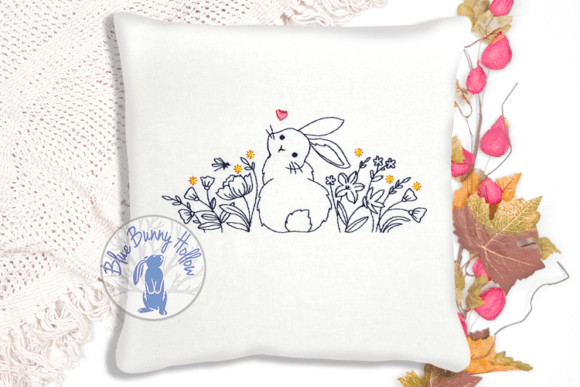
The moment you preview Meadow Bunny, the mood shifts toward something gentle and nostalgic. It belongs firmly in the Outline Flowers category, yet it transcends simple floral patterns by introducing a character with personality. The layout feels balanced, avoiding the cluttered look that often plagues busy designs. It creates a sense of open space, which is crucial for embroidery because it allows the eye to rest on the details rather than getting lost in a sea of thread.
For a designer, the visual personality here is key. It isn't overly complex or aggressive; it is soft, approachable, and inherently "spring-like." This makes it an ideal candidate for seasonal collections where customers are looking for freshness and renewal. The design suggests a meadow setting without overwhelming the viewer with excessive background elements, ensuring that the bunny remains the focal point. This clarity is what builds trust with buyers who want a clean, high-quality finish.
Real-World Application: From Tote Bags to Nursery Decor
I recently considered using Meadow Bunny for a custom order of baby onesies and matching tote bags for a local craft fair. Here is how the design held up in my mental simulation of the production process.
On a canvas tote bag, the design would shine. The sturdy fabric provides a stable base, allowing the stitches to sit flat and crisp. The contrast between the thread colors and the natural canvas would highlight the satin stitch areas beautifully, giving the bag a premium feel. For a small business owner selling handmade goods, this level of polish is essential. It elevates a standard tote into a branded item that customers are proud to carry.
Similarly, for baby clothes, the soft aesthetic of Meadow Bunny is perfect. Parents often seek designs that are gentle on the eyes and safe for sensitive skin. Because the design avoids dense, heavy clusters of thread in the center, it minimizes stiffness against the baby's skin. When used on a sweatshirt or a hoodie, the design adds a touch of whimsy without making the garment feel bulky or uncomfortable. It transforms a basic piece of custom apparel into a personalized gift that feels thoughtful and curated.
In the realm of home decor, imagine this design on a linen pillow cover or a kitchen towel. The running stitch details likely present in the outline flowers add texture that mimics hand-stitching, which is highly valued in modern farmhouse and cottagecore aesthetics. This versatility means you aren't limited to one type of product; Meadow Bunny can be adapted for aprons, holiday gifts, and even nursery wall hangings.
Where Caution Is Required
However, no design is universally perfect, and knowing where to apply caution is part of being a professional. There are specific scenarios where Meadow Bunny might struggle if not handled correctly.
First, consider the hoop size. If you attempt to stitch this on a very small area, such as the cuff of a sock or the brim of a tight-fitting cap, the design may lose its definition. Small hoops often compress the fabric too much, causing the stitch density to become uneven. For curved surfaces like caps, the curvature can distort the linear flow of the design, potentially making the bunny look stretched or squashed unless you use a specialized cap hoop and precise digitizing adjustments.
Textured fabrics also pose a challenge. While a thick wool blanket might look cozy with this design, a heavily textured bouclé fabric could hide the fine details of the outline flowers. Similarly, thin or stretchy fabrics require extra care. Without proper stabilizer, the tension of the stitches could cause puckering, ruining the finished product. Dark fabrics present another hurdle; if the thread colors chosen are not light enough or sufficiently contrasting, the design will vanish into the background. Always test your thread colors against the fabric before committing to a full run.
Impact on Brand Value and Customer Trust
In the world of Etsy sellers and digital product sellers, the quality of the design directly influences perceived value. A sloppy stitch job or a design that looks distorted can make a brand appear amateurish. Meadow Bunny, with its clean lines and clear composition, supports a narrative of professionalism. When a customer receives a personalized gift that looks exactly like the printable mockup they saw online, their trust in your shop increases.
This design also enhances giftability. The theme is universally appealing, making it a safe choice for birthdays, baby showers, and spring holidays. It strikes a balance between trendy and timeless, meaning a customer won't feel embarrassed wearing or displaying it five years later. For a craft business, this longevity is vital for maintaining consistent sales year after year.
Practical Notes for the Embroidery Designer
Before you hit the start button on your machine, there are several steps every serious designer should take to ensure success with Meadow Bunny.
- Test on Scrap Fabric: Never assume a design works perfectly on your final material. Stitch a sample on a scrap of the same fabric to check for puckering or thread breaks.
- Review Stitch Density: Inspect the design files for any areas where the fill stitch might be too dense. Excessive density can lead to needle deflection and poor definition.
- Check Hoop Size Compatibility: Ensure the design dimensions fit your intended hoop size comfortably, leaving enough margin for stabilizer placement.
- Inspect Small Details: Zoom in on the digital file to ensure that tiny elements like whiskers or flower petals are large enough to stitch clearly.
- Test Black and White Mockups: Convert the design to grayscale to verify that the contrast holds up regardless of color variations.
- Confirm Licensing: If you plan to sell finished items or distribute the embroidery file as a design asset, double-check the license terms provided by the creator.
By following these guidelines, you ensure that Meadow Bunny delivers the high-quality result you expect. Whether you are creating a single personalized gift or scaling up for a line of small shop products, attention to detail is what separates a good project from a great one.
Ultimately, Meadow Bunny is more than just a cute bunny; it is a versatile tool for creative entrepreneurs. It offers the right blend of charm and structural integrity to work across a wide range of embroidery projects. With careful preparation and an eye for detail, this design can become a staple in your portfolio, helping you create memorable, high-value items that customers will love.