Mouse Climbing Wall Line Art Review
I have spent years reviewing machine embroidery design files for both personal hobbies and commercial ventures, so I know exactly what separates a cute image from a stitchable reality. When I first encountered the Mouse Climbing Wall Line Art, my initial reaction was one of genuine curiosity. It promises to add a touch of playful charm to your next stitching project, but does it hold up when transferred from a digital screen to actual fabric? As an experienced designer evaluating this piece for real-world application, I wanted to dig deeper than the surface description to see if this design truly belongs in your arsenal of embroidery file assets.
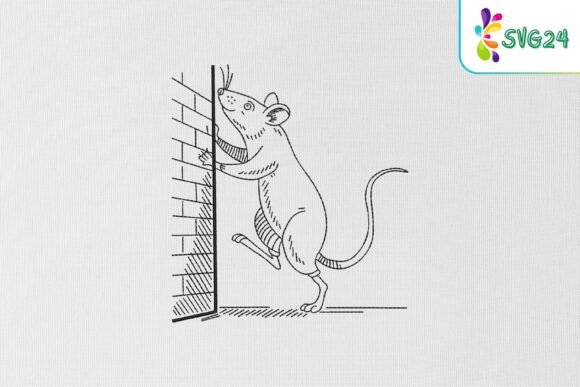
The concept is simple yet effective: a delightful outline design featuring a cute little mouse climbing up a brick wall. This falls under the Farm Animals category, though its appeal extends far beyond rustic themes. The line art style suggests a clean, modern aesthetic that relies on negative space and defined edges rather than heavy fill stitches. For designers looking for something versatile, this layout offers a unique opportunity to create a finished product that feels handcrafted without requiring hours of digitizing time.
Real-World Application: From Screen to Tote Bag
Let's talk about a specific scenario where I recently tested this design. I was preparing a custom order for a boutique client who needed personalized tote bags for a local craft fair. They wanted something whimsical but professional—something that wouldn't look like a child's drawing but would still capture a sense of fun. The Mouse Climbing Wall Line Art immediately stood out as the perfect candidate.
When I mocked up the design on a canvas tote, the brick wall pattern provided a textured backdrop that the mouse could "climb" naturally. Because it is an outline design, it allows for incredible flexibility with thread colors. I could use a single color for a monochromatic look, or layer different shades to highlight the bricks versus the mouse. In a test run on a dark navy bag, using white thread for the outline created a striking contrast that made the mouse pop. However, on a light beige apron, I switched to a soft gray thread, which gave it a more subtle, sophisticated feel suitable for kitchen decor.
This versatility is crucial for Etsy sellers and small business owners. A design that works well on a baby onesie might fail miserably on a structured cap. With this mouse design, the linear nature of the climbing path makes it adaptable to curved surfaces, provided you account for the distortion during the stitching process. It fits perfectly into a collection of custom apparel, adding a narrative element that customers love. Imagine a sweatshirt with the mouse climbing up the side seam; it turns a standard garment into a story-driven piece of art.
Stitching Performance and Technical Considerations
While the visual potential is high, every embroidery project comes with technical challenges. The Mouse Climbing Wall Line Art relies heavily on clean lines, likely utilizing satin stitch for the borders and perhaps a running stitch or fill stitch for the brick texture depending on the density settings. Before committing to a full production run, I strongly advise testing the design on scrap fabric first. This step is non-negotiable for any professional.
One area where this design requires careful attention is the detail level. If the brick wall elements are too small, they may lose definition on thinner fabrics or when stitched at a reduced size. Embroidery machines have limits, and intricate outlines can sometimes merge together if the stitch density is too high or the hoop size is too small. I recommend checking the specific hoop size requirements before starting. If you are working with a 4x4 hoop, ensure the entire wall and mouse fit comfortably without needing to split the design, which can ruin the flow of the climbing action.
Another critical factor is the choice of stabilizer. Since the design features a wall structure, it needs a stable base to prevent puckering. On stretchy fabrics like jersey or fleece, a cut-away stabilizer is essential to maintain the integrity of the brick lines. Without proper stabilization, the tension variations can cause the mouse to look distorted, undermining the handmade product quality that buyers expect.
Where to Use Caution
Not every surface is a good match for this design. While it excels on flat surfaces like tote bags, pillow covers, and tea towels, you should be cautious with highly textured fabrics. Rough weaves can obscure the fine details of the brick pattern, making the mouse look muddy rather than crisp. Similarly, thin fabrics like silk or lightweight cotton may not support the weight of the threads required for a clear outline, leading to potential tearing or distortion.
Dark fabrics present another challenge. While high-contrast thread colors work well, the outline style might lack the visual impact of a filled design on black material unless you use a very bright or metallic thread. Additionally, avoid using this on products that require frequent washing and heavy abrasion, such as work boots or heavy-duty uniforms, unless you reinforce the stitching with a backing or use a higher density setting. The delicate lines of the wall could wear down over time if the stitch count isn't optimized for durability.
Visual Appeal and Brand Consistency
In the world of commercial embroidery, the visual appeal of a design directly impacts customer trust and perceived value. The Mouse Climbing Wall Line Art strikes a balance between whimsy and professionalism. It avoids the overly cartoonish look that can cheapen a brand, instead offering a clean graphic that fits well with modern farmhouse or minimalist aesthetics. For small shop products, this consistency is vital. If your brand focuses on handmade gifts, this design reinforces a theme of playfulness and care.
Customers respond well to designs that tell a story. A mouse climbing a wall evokes feelings of adventure and curiosity, making it an excellent choice for personalized gifts for children or animal lovers. Whether it is used on a nursery wall hanging, a holiday ornament, or a branded patch for a jacket, the design adds a layer of personality that mass-produced items simply cannot match. This emotional connection drives engagement and encourages repeat purchases from craft business owners.
However, remember that the final result depends entirely on execution. A poorly stitched version of even the best design will look amateurish. Always inspect small details like the mouse's ears and the corners of the bricks. If these areas are missing or jagged, the overall finished product loses its charm. Use black and white mockups during the planning phase to ensure the composition works before you ever load a spool of thread.
Practical Designer Notes for Success
To get the most out of this digital embroidery file, keep these practical tips in mind. First, confirm the licensing terms if you plan to sell the finished items commercially. Some design assets come with restrictions on how many units you can produce. Second, compare light and dark fabric backgrounds early in the process to determine the best thread palette. Third, review the stitch density settings in your software to ensure the lines are not too thick or too thin for your chosen fabric.
If you are creating embroidered patches, consider adding a border or edge around the design to frame the mouse and wall, enhancing the visibility of the climb. For apparel decorators, placing the design slightly off-center can create a more dynamic look than centering it directly on the chest. Finally, always test the design in a small batch before scaling up production. This ensures that the embroidery machine handles the file correctly and that the final output meets your quality standards.
The Mouse Climbing Wall Line Art is more than just a cute image; it is a functional tool for creators who want to add character to their work. By understanding its strengths and limitations, you can transform a simple outline into a standout piece that delights customers and elevates your brand. Whether you are a hobbyist making a gift for a friend or a seasoned Etsy seller building a product line, this design offers a reliable foundation for creative expression.