Playful Ginger Cat: A Designer's Review for Small Business
As an experienced embroidery designer who has spent years crafting assets for boutiques, cafés, and handmade brands, I approach every new machine embroidery design with a critical eye. When evaluating a file like Playful Ginger Cat, I am not just looking at the visual appeal; I am assessing its viability as a commercial asset. This review focuses on how this specific design performs when applied to small business merchandise, branded patches, uniforms, and custom apparel. The goal is to determine if it can elevate your brand identity or if it remains merely a decorative element.
First Impressions: Personality and Professionalism
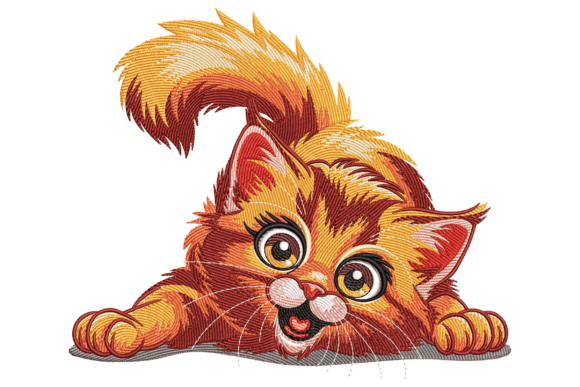
The title Playful Ginger Cat immediately suggests a tone that is friendly, approachable, and whimsical. In the world of branding, personality is currency. For businesses such as bakeries, pet shops, creative studios, or local florists, a design that feels too rigid can alienate customers. This design appears to offer a perfect balance between professional execution and a "handmade" charm that resonates with modern consumers.
The description mentions adding a "fun and quirky accent," which signals that this is ideal for brands wanting to project warmth. However, a seasoned designer knows that "quirky" must not come at the expense of legibility or durability. Does the design feel premium enough for a $50 tote bag, or does it look like a cheap souvenir? From a strategic standpoint, Playful Ginger Cat seems positioned to work well as a chest logo accent or a subtle sleeve detail where you want to invite engagement without overwhelming the customer. It strikes a chord with the desire for authenticity in a mass-produced market.
Real-World Application in Small Business Merch
When we move from the digital screen to the hoop, the true test begins. Let us imagine a scenario where a boutique café or a handmade soap shop wants to create a cohesive line of branded items. How does Playful Ginger Cat translate into physical reality?
- Embroidered Patches: One of the most popular uses for this type of design is creating custom embroidered patches. If executed correctly, these can be ironed or sewn onto denim jackets, aprons, or backpacks. This creates a versatile marketing tool that customers often wear proudly, effectively turning them into walking billboards for your brand.
- Staff Uniforms and Aprons: For service-oriented businesses, adding a playful element to staff attire humanizes the brand. An apron embroidery featuring this design could be perfect for a barista or a chef. It softens the uniform and makes the staff appear more approachable to patrons.
- Caps and Tote Bags: The design works exceptionally well as a tote bag design or on the front panel of a cap. These are high-visibility items. A well-placed embroidered patch of a ginger cat on a canvas tote adds a touch of character that encourages people to use the bag repeatedly, extending your brand's reach.
- Product Packaging and Labels: Beyond apparel, this digital embroidery file can be used on product labels for handmade goods. Imagine a small tag stitched onto a jar of homemade jam or a package of artisanal soaps. It adds a tactile, high-value finish that distinguishes your product from competitors using printed stickers.
Strategic Considerations and Potential Pitfalls
While the potential is high, an honest review must address where caution is required. Not every surface is suitable for every design. As a designer, I advise carefully considering the following scenarios before committing to a production run with Playful Ginger Cat.
- Small Patch Sizes: If you intend to make very small patches (under 2 inches), intricate details may get lost. The definition of the cat's features might blur, making it look like a blob rather than a distinct image. Always test the smallest intended size before bulk ordering.
- Curved Surfaces: Embroidering on the curved front of a baseball cap requires specific digitizing techniques. If the stitch density is too high, the fabric will pucker, ruining the aesthetic. Ensure the design is optimized for curved surfaces.
- Fabric Texture and Color: On dark uniforms or highly textured fabrics, contrast becomes an issue. If the thread colors do not pop against the background, the design loses impact. You may need to adjust the thread colors or add a backing layer to ensure visibility.
- Wash Durability: Items that require frequent washing, such as kitchen towels or work shirts, need robust stitching. Designs with long, floating stitches can snag and unravel over time. Verify that the file structure is dense enough to withstand industrial laundering.
Impact on Brand Identity and Customer Trust
In the era of Etsy sellers and independent creators, visual consistency is key to building trust. A sloppy or poorly digitized design can signal amateurism, even if the product itself is high quality. Conversely, a clean, well-executed commercial embroidery project signals attention to detail.
Using Playful Ginger Cat effectively can enhance your brand's perceived value. It suggests that you care about the customer experience and have invested in quality assets. When a customer receives a gift or a piece of merch with a crisp, well-defined embroidery, it fosters a sense of connection. It transforms a generic item into a handmade product with soul. This emotional connection drives repeat purchases and word-of-mouth referrals, which are vital for small business growth.
Essential Notes for the Production Phase
Before you rush to print or stitch hundreds of units, there are technical steps that must be taken to ensure success. Here is my professional checklist for integrating this design into your workflow:
- Test in Black and White: Create a simple mockup or run a test stitch in black thread first. This helps you evaluate the composition and spacing without the distraction of color choices.
- Verify Hoop Size and Dimensions: Check the recommended hoop size for the design. If the design is larger than your machine's standard hoop, you may need to split the design, which can lead to alignment issues.
- Stabilizer Selection: The choice of stabilizer is critical. Heavier designs require heavier stabilizers to prevent puckering. Always match the stabilizer weight to the fabric texture and the complexity of the embroidery file.
- Create Printable Mockups: Before finalizing orders, generate a printable mockup to show clients or stakeholders. This allows for approval on placement and scale before any money is spent on materials.
- Check Commercial Licensing: Ensure you have the correct commercial licensing rights. Many digital embroidery files are sold for personal use only. Using a personal license for business merchandise can lead to legal complications.
- Compare Design Assets: Place this design beside your other brand assets. Does it fit the overall style guide? Is it too cartoonish compared to your logo, or does it complement it perfectly?
Ultimately, Playful Ginger Cat offers a charming opportunity for small businesses to inject personality into their merchandise. Whether it ends up on a cap, a tote bag, or a product label, its success depends on the precision of the execution. By treating this machine embroidery design with the same rigor as a logo redesign, you can ensure that your finished product reflects the professionalism and creativity of your brand.