Purple Bird Embroidery Review for Craft Fairs
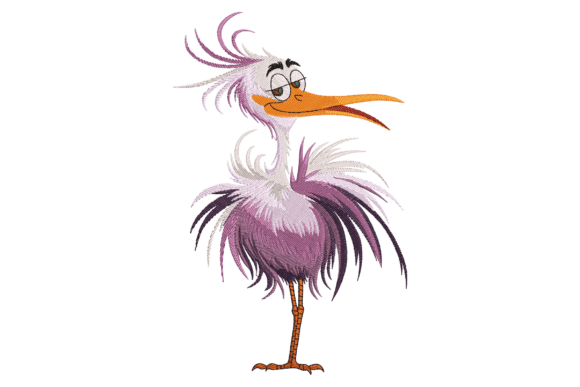
As an experienced embroidery designer who has spent countless weekends setting up booths at local craft fairs and preparing inventory for handmade markets, I know that the difference between a design that sits on a shelf and one that sells out is often about practicality and visual impact. Today, I am reviewing the Purple Bird machine embroidery design with a critical eye, imagining how it will perform when turned into real products for a busy weekend event. The description promises to give fabrics a "charming update" with a "fun and quirky flair," which immediately suggests this design is perfect for the eclectic, personality-driven vibe that handmade shoppers crave.
First Impressions: Charming Quirkiness in a Digital File
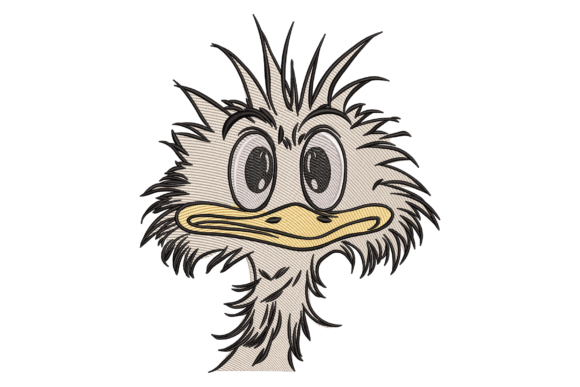
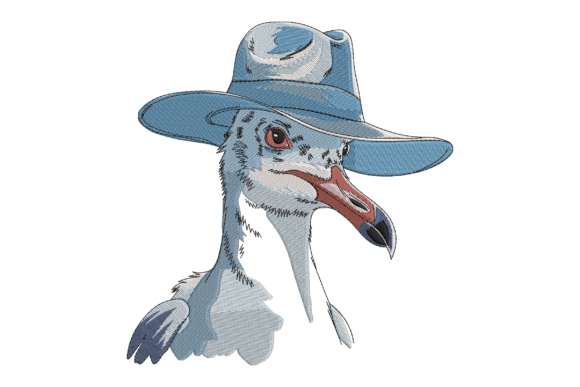
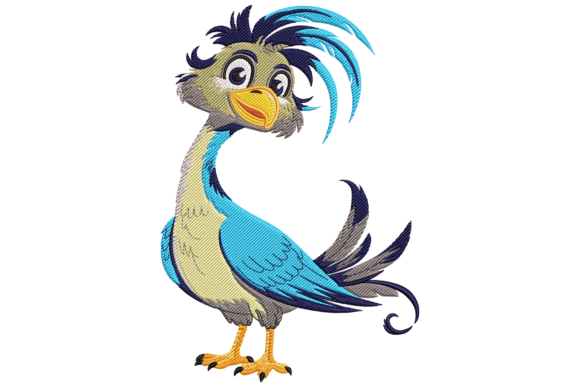
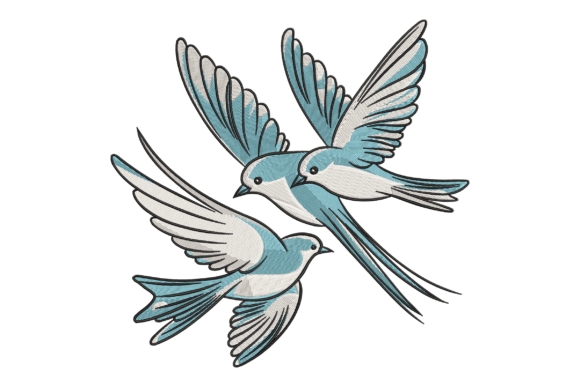
When you first open the embroidery file for Purple Bird, the name alone sets a specific mood. It sounds playful and slightly whimsical, which aligns perfectly with the current trend of adding unique character to everyday items. In the context of a crafter fair product, this design feels less like a standard decorative element and more like a conversation starter. The promise of adding "quirky flair" suggests that this isn't just a generic bird silhouette; it likely has enough personality to stand out against plain backgrounds.
For a booth display, the color purple is a strategic choice. It stands out beautifully against neutral fabrics like denim, canvas, and white linen, which are staples for tote bags and aprons. However, the success of this handmade product relies heavily on whether the design translates well from the screen to the fabric. Does it feel bold enough to be seen from three feet away? Is it cute enough to appeal to children and adults alike? Based on the description, Purple Bird seems positioned as a versatile accent that can elevate simple items without overwhelming them.
Where Purple Bird Shines on Market Products
Imagine walking through a bustling craft fair. Your eyes are drawn to items that have texture and life. This is where Purple Bird excels. It is not limited to a single application; its versatility makes it a powerhouse for a wide range of commercial embroidery projects.
- Tote Bag Design: A large, sturdy canvas tote is the quintessential craft fair item. Placing Purple Bird on the front pocket or centered on the bag creates a focal point that looks premium. The design's "quaint" nature fits perfectly with the bohemian and farmhouse aesthetics popular among Etsy sellers.
- Apron Embroidery: For kitchen enthusiasts, an apron featuring this design adds a touch of fun to the workspace. Whether used for cooking or gardening, the "charming update" mentioned in the description transforms a utilitarian item into a gift-worthy piece.
- Tea Towel Embroidery: Kitchen linens are high-margin items. A small, concentrated version of the bird works wonderfully on tea towels, offering a pop of color that customers can take home immediately.
- Embroidered Patch: If you sell patches, this design could be a bestseller. Patches allow customers to add personality to jackets or backpacks, and the "quirky" aspect ensures they look good on both casual wear and vintage finds.
- Cap and Pillow Covers: On curved surfaces like caps, the design needs to be balanced so it doesn't distort. Similarly, on pillow covers, it serves as a lovely decorative element that ties a room together.
The key to selling these small shop products is showing them in context. When creating a printable mockup for your Etsy listing, ensure the Purple Bird design looks crisp and vibrant. Customers need to see how the thread colors interact with the fabric texture to understand the value of the finished product.
Practical Selling and Production Realities
While the concept is charming, the reality of production requires careful planning. As a designer reviewing this for a batch run, I ask myself: Is this design easy to stitch quickly? High stitch density can slow down production, increasing labor costs and potentially causing issues with delicate fabrics. If Purple Bird has dense areas, it might lose clarity if stitched too small, so it is best used as a medium-to-large focal design rather than a tiny detail.
Photography is another critical factor. How does the design photograph for online listings? A flat-lay photo of a tote bag with the bird embroidered in contrasting thread will likely generate more clicks than a dark-on-dark image. The "fun and quirky flair" must be visible even in a thumbnail size. Furthermore, consider the repeatability of the design. Can you produce ten identical pillows in an hour, or will the complexity cause inconsistencies? For a successful Etsy seller, consistency is key to building a brand.
Crucial Notes for Careful Use
Before you commit to a full production run, there are several technical hurdles to clear. Not all fabrics behave the same way. Thick fabrics like heavy denim or textured towels can sometimes swallow up fine details, making the bird look muddy or indistinct. Conversely, on very thin fabrics, the stabilizer required to hold the shape might be too bulky, affecting the drape of the item.
If you plan to use this on dark fabric, the thread colors become paramount. A light purple bird on black might get lost unless you use a high-contrast underlay or bright metallic threads. Additionally, check the stitch density carefully. Designs with tiny details or small lettering (if included) often fail on smaller hoops or curved surfaces like caps. Always test the hoop size limitations before finalizing your product line. If the design is too complex for a 4x4 hoop, you may need to limit your offerings to larger items like aprons or wall hangings.
Designer's Checklist for Success
To ensure your finished product meets professional standards, follow these essential steps before hitting the market:
- Test on Scrap Fabric: Never skip this step. Stitch the design on the exact fabric you intend to sell to check for puckering or distortion.
- Check Thread Contrast: Ensure the thread colors make the bird pop. Sometimes a slight adjustment in thread shade can transform a dull design into a stunning one.
- Review Spacing: Make sure the design fits within the intended area of the product, leaving enough border for seams and hems.
- Confirm Stabilizer Needs: Heavy designs require heavy stabilizers, while light designs might only need tear-away. Using the wrong type can ruin the fabric texture.
- Create a Real Mockup: Don't rely solely on digital renders. Photograph a physical sample to show potential buyers exactly what they are getting.
- Verify Commercial Licensing: Before selling any items made with this digital embroidery file, confirm that your license allows for commercial use. This protects your business from legal issues.
Ultimately, Purple Bird has the potential to be a standout addition to your craft fair booth. Its promise of charm and quirkiness aligns perfectly with the desire for unique, handmade goods. By paying attention to production details, fabric choices, and visual presentation, you can turn this design asset into a reliable revenue stream. Whether you are a seasoned boutique maker or a new creative entrepreneur, taking the time to evaluate the design's performance on real materials will ensure that your handmade product shines as brightly as the purple threads themselves.