Bread Basket: A Designer's Review for Craft Fairs
As an experienced embroidery designer who has spent countless weekends setting up booths at local craft fairs and preparing inventory for handmade markets, I know that the difference between a design that sits on a shelf and one that flies off the table often comes down to personality. When I first saw the Bread Basket machine embroidery design, my immediate reaction was one of genuine excitement. The description promises to transform fabrics with a touch of charm, adding a fun and quirky accent to any project. In my years of judging what sells, "fun" and "quirky" are two of the most powerful words in our industry.
This review is not just about the aesthetics; it is a practical evaluation of how this design performs as a real-world product. If you are an Etsy seller, a boutique maker, or a creative entrepreneur looking to expand your line of handmade products, understanding the nuances of this design is crucial before you commit to mass production.
First Impressions: Quirky Charm Meets Rustic Appeal
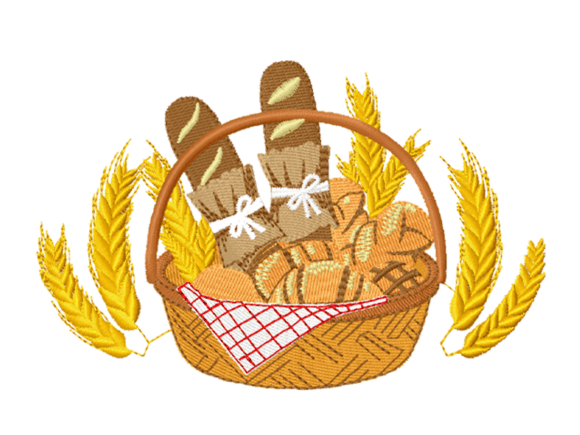
The title alone suggests a warm, inviting vibe. Based on the description, the Bread Basket feels distinctly rustic yet modern enough to fit into farmhouse decor trends that continue to dominate the market. It does not feel overly formal or stiff; instead, it offers a soft, decorative quality that appeals to buyers looking for items that bring a smile to their faces. For a craft fair booth, this design stands out because it taps into the universal love for food and home comfort. It is perfect for the Food category but transcends it by becoming a lifestyle statement. Whether you envision it as a bold focal point or a subtle accent, the design possesses a visual weight that catches the eye from across a crowded aisle.
Product Potential: Where Bread Basket Shines
In my experience, the success of a craft fair product relies heavily on the medium. Let us break down how the Bread Basket performs on various items commonly found in a successful vendor's inventory.
- Tote Bags: This is perhaps the strongest application. A tote bag acts as a walking billboard for your brand. Embroidering the Bread Basket onto a canvas tote creates a high-value item that customers can use daily. The design works beautifully here as a centered focal point or repeated in a pattern along the side.
- Apron Embroidery: Kitchens are the heart of the home. An apron featuring this design adds a layer of warmth to cooking. It appeals to both professional chefs and hobbyists who want to add a bit of personality to their workspace. The design's quirky nature makes it an excellent conversation starter during live demonstrations at a market.
- Tea Towel Embroidery: Kitchen towels are impulse buy goldmines at craft fairs. They are affordable, easy to produce, and highly giftable. The Bread Basket fits perfectly on a tea towel, offering a decorative element that enhances the utility of the item without overwhelming it.
- Embroidered Patches: Creating detachable patches allows for versatility. You can sell them separately or offer them as add-ons for hats and jackets. This expands your commercial embroidery reach beyond just home goods.
- Caps and Small Pouches: For smaller, lower-priced items, this design adds significant perceived value. However, the scale must be managed carefully to ensure clarity.
Production Practicality and Visual Appeal
When evaluating a design for batch production, I always ask: Does it photograph well? Can it be reproduced consistently? The Bread Basket appears to have strong potential for online listings. Its charming aesthetic translates well to digital images, making it an ideal asset for printable mockups used on Etsy or social media. Customers need to see the texture and detail to appreciate the handmade quality, and a well-lit photo of this design on a textured fabric will likely drive engagement.
From a production standpoint, the design seems versatile enough to serve as a small accent or a large centerpiece. This flexibility is key for a small shop product owner who needs to cater to different price points. If the stitch density is balanced correctly, it should look premium whether stitched on a $5 tea towel or a $40 apron. Consistency in thread colors is vital here; choosing high-contrast threads against natural fabrics like linen or cotton will make the design pop and reinforce the brand's identity.
Crucial Considerations for Success
Before you start stitching hundreds of units, there are specific technical factors that determine whether your final product looks professional or amateurish. As a designer reviewing this for a weekend booth, I urge you to pay close attention to the following details.
Stitch Density and Detail Clarity
Dense stitch areas can sometimes cause puckering if the wrong stabilizer is used. Conversely, tiny details may get lost if the design is scaled down too much for a cap or a small pouch. You must verify the stitch density to ensure the design remains crisp. If the Bread Basket includes fine lines or small lettering, test it on scrap fabric first. On textured towels or thick denim, these details might blur, reducing the overall visual appeal.
Fabric and Hoop Size Constraints
The choice of fabric is just as important as the design itself. Dark fabrics require underlay and potentially different thread choices to maintain visibility. Curved surfaces like caps present a unique challenge; a design that looks flat on a pillow cover might distort when applied to a rounded hat brim. Always confirm the hoop size required for the design and ensure your production workflow can accommodate it efficiently. If the design requires a large hoop, it may limit the types of garments you can embroider effectively.
Designer's Checklist for Market Readiness
To ensure your finished product meets the high standards expected by craft fair attendees, follow this practical checklist derived from my own studio experience:
- Test on Scrap Fabric: Never go straight to the final product. Run a test on the exact fabric you intend to sell to check for tension issues and color accuracy.
- Check Thread Contrast: Ensure the thread colors selected provide enough contrast against the background material. A low-contrast design can look muddy in person.
- Review Spacing: Place the design accurately within the embroidery file parameters to avoid cutting through seams or edges.
- Inspect Stitch Density: Look closely at the finished sample to ensure no gaps or excessive buildup of thread.
- Use the Right Stabilizer: Match the stabilizer type (cut-away, tear-away, or water-soluble) to the fabric weight and stretch to prevent distortion.
- Create Real Mockups: Do not rely solely on digital renders. Create at least one physical sample to photograph for your Etsy listing and booth display.
- Compare Fabric Colors: Test the design on multiple fabric shades to see which one best highlights the charm of the Bread Basket.
- Confirm Licensing: Before selling any digital embroidery file or design assets, double-check your commercial licensing terms to protect your business.
Ultimately, the Bread Basket design has the potential to become a standout piece in your collection. Its blend of fun and functionality aligns perfectly with the desires of modern consumers who value unique, handcrafted items. By paying attention to the technical details and focusing on high-quality execution, you can turn this simple design into a profitable line of handmade gifts and market bags. Whether you are a seasoned veteran or a new Etsy seller, taking the time to evaluate and test this design will set you apart from the competition and build a loyal customer base for your booth.