1865 Juneteenth: A Designer's Review for Craft Fairs
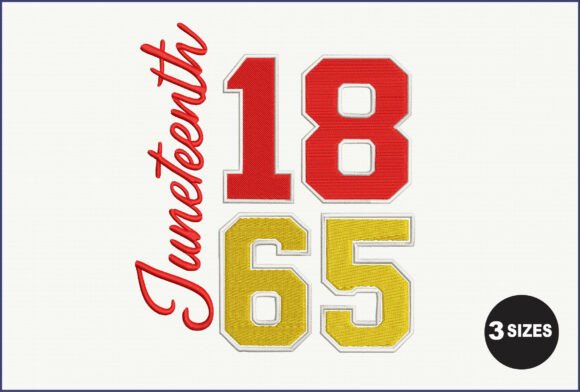
As an experienced embroidery designer, I spend a lot of time evaluating digital assets before they ever hit the hoop. When 1865 Juneteenth landed on my desk, my first thought wasn't just about the history it represents, but how it would perform as a craft fair product. The description paints a picture that is immediately striking: "Bold and historical," featuring "striking varsity-style numbers" paired with "elegant script." This combination suggests a design that balances modern energy with timeless grace. It feels premium, festive, and undeniably strong.
I am imagining this design not just as a file, but as a physical presence at a weekend market. Will it stop a passerby in their tracks? Does it photograph well for an Etsy listing? Can it be produced efficiently for a small shop owner? Here is my professional breakdown of why 1865 Juneteenth has the potential to become a top-selling item in your handmade inventory.
The First Impression: Bold, Historical, and Premium
In the crowded world of embroidery designs, style is everything. 1865 Juneteenth avoids the trap of looking generic or overly soft. The mention of "varsity-style numbers" immediately signals a sense of movement and strength, while the "elegant script" adds a touch of sophistication. This duality makes it incredibly versatile. It isn't just a holiday decoration; it feels like a statement piece suitable for everyday wear or home decor.
For a booth display, this design commands attention. Unlike minimalistic patterns that might get lost in a sea of textiles, the bold nature of 1865 Juneteenth ensures it stands out from a distance. It conveys a message of freedom with a visual weight that resonates with customers looking for meaningful, high-quality items. It strikes the perfect balance between celebratory and serious, making it ideal for those who want to honor the occasion without sacrificing style.
Product Potential: Where This Design Shines
When planning a table display, you need to know where your machine embroidery design will have the most impact. Based on the visual description, here is how 1865 Juneteenth translates across various handmade product categories:
- Tote Bag Design: This is perhaps the strongest application. The varsity numbers work beautifully on canvas totes, creating a focal point that looks great on the front panel. It transforms a simple bag into a conversation starter.
- Apron Embroidery: For the chef or the baker, placing this design on the bib of an apron elevates the garment. The contrast of the bold numbers against a solid color fabric (like navy or black) creates a sharp, professional look.
- Tea Towel Embroidery: Kitchen towels are a staple for craft fairs. 1865 Juneteenth works well as a centered design or a corner accent. However, you must consider the texture of the towel; a dense stitch area might sink too much into a thick waffle weave.
- Embroidered Patch: If you offer patches, this design is a natural fit. The varsity aesthetic pairs perfectly with iron-on patches, allowing customers to add the design to jackets or hats themselves.
- Caps and Headwear: Curved surfaces can be tricky, but the structured look of varsity numbers often holds up well on baseball caps. Just ensure the hoop size matches the curvature of the hat to avoid distortion.
- Pillow Covers and Market Bags: These larger canvas items provide ample space for the design to breathe. They make excellent giftable handmade items because they feel substantial and valuable.
Production Reality: What Sells and What Works
From a production standpoint, 1865 Juneteenth offers several advantages for digital sellers and boutique makers. The design appears to have clear distinct elements, which usually means it photographs well for online listings. Customers scrolling through an Etsy seller feed need to see details clearly; a design with strong lines and contrasting styles will catch the eye faster than a blurry or complex pattern.
Is it repeatable for batch production? Yes. The combination of block letters and script is generally forgiving in terms of alignment. As long as you maintain consistent spacing, you can churn out matching sets of aprons and towels efficiently. This repeatability is crucial for maximizing your profit margins during a busy craft fair season.
However, there are practical considerations. You must verify the stitch density provided in the embroidery file. If the design is too dense, it may pucker on lighter fabrics or create a stiff hand-feel on items like pillow covers. Conversely, if it is too light, the detail might get lost on textured fabrics. Always test the design on scrap fabric before committing to your final stock.
Visual Appeal and Customer Attention
The success of any commercial embroidery project lies in its ability to engage the buyer. 1865 Juneteenth leverages a powerful narrative. By combining historical significance with a trendy varsity aesthetic, it appeals to a wide demographic. It feels authentic rather than mass-produced. When a customer picks up a tote bag with this design, they aren't just buying a bag; they are buying into a story of freedom and heritage presented in a modern way.
This emotional connection boosts perceived value. A well-executed 1865 Juneteenth design on a high-quality fabric justifies a higher price point. It signals to the buyer that you care about quality and detail, reinforcing your brand consistency.
Crucial Notes for the Embroidery Designer
Before you rush to produce your booth samples, there are technical hurdles you must address. Even the best-looking design can fail in production if these factors are ignored.
- Fabric Texture and Thickness: Avoid using this design on very thick, textured fabrics like heavy terry cloth or boucle unless you have tested it. The thread colors might not show up clearly, and the stitches could sink in. Stick to smooth cottons, denim, or canvas for the best results.
- Small Lettering Details: While the numbers are likely bold, check the script font closely. Tiny details often disappear when embroidered on curved surfaces like caps or small pouches. If the lettering is too fine, consider resizing the design slightly larger to ensure readability.
- Dark Fabric Considerations: If you plan to embroider on dark fabrics, you will need a high-density underlay or a specific stabilizer choice to prevent the fabric from showing through the stitches. The contrast between the thread colors and the fabric is key to the "bold" look described.
- Hoop Size and Stability: Ensure your hoop size accommodates the full width of the design without cutting off the edges. Using the wrong stabilizer can lead to puckering, which ruins the clean lines of the varsity style.
- Commercial Licensing: Before selling finished products, confirm the commercial licensing terms of the digital embroidery file. Most reputable designers allow for end-use sales, but you must verify this to protect your business.
Final Thoughts for Your Booth
1865 Juneteenth is more than just an Inspirational design; it is a strategic asset for your handmade business. It combines the visual punch needed to stop traffic at a craft fair with the elegance required to build a loyal customer base. Whether you are creating a limited run of tea towels or a large batch of tote bags, this design offers a strong foundation for your small shop product line.
Remember to create at least one real mockup to see how the thread colors interact with your chosen fabrics. Compare different fabric colors to find the one that makes the varsity numbers pop. With careful preparation and attention to design assets, 1865 Juneteenth can become a signature item that defines your booth and delights your customers.