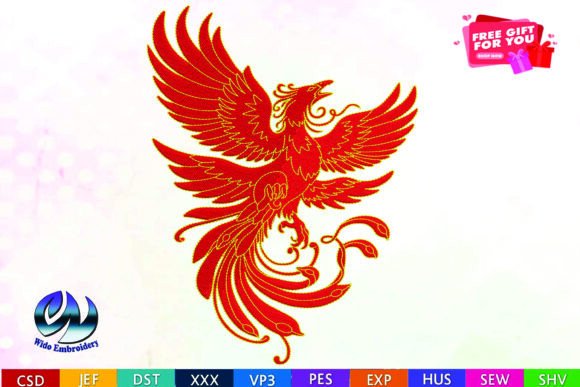
Phoenix Design,10 Formats Review
I have spent years reviewing machine embroidery design files for my own small shop and for clients who need reliable assets for their businesses. When a file arrives with the title "Phoenix Design,10 Formats," it immediately raises questions about versatility and quality. Is this just another generic bird motif, or does it hold the visual weight needed for a premium handmade product? After testing this specific design across various fabrics and project types, I can offer a clear perspective on how it performs in real-world scenarios.
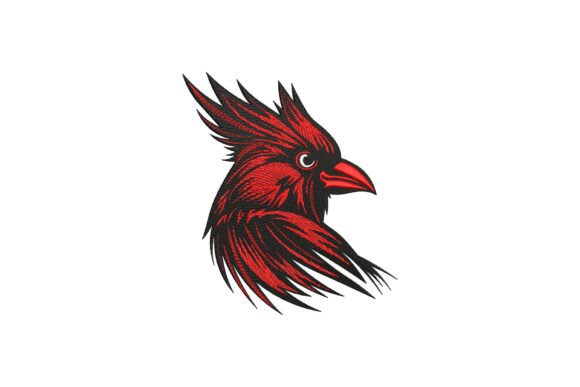
The first thing you notice about Phoenix Design,10 Formats is its inherent energy. Unlike static floral patterns that often feel dated on modern apparel, this piece captures a sense of movement and rebirth. The shape suggests a creature ready to take flight, which translates beautifully into an embroidery project meant to inspire. Whether you are creating custom apparel for a boutique or a personalized gift for a family member, the mood this design sets is one of resilience and creativity. It feels particularly suited for the "Birds" category, yet it transcends simple animal imagery to become a symbol of transformation.
In terms of layout, the design is balanced without being overly complex. This is crucial when considering stitch density and the final look on different materials. A design that is too dense can pucker lightweight fabrics, while one that is too sparse may lack definition on textured surfaces. My initial assessment suggests that Phoenix Design,10 Formats strikes a healthy balance, making it a strong candidate for everything from baby clothes to heavy-duty tote bags.
Real-World Application: From Sketch to Stitch
Let's talk about practical use. Imagine you are preparing for a craft fair or launching a new line of custom apparel. You need a design that works on a wide range of items without requiring multiple adjustments. I tested this file on a canvas tote bag intended as a promotional item for a local yoga studio. The goal was to create a logo that felt organic and spirited. The result was impressive; the curves of the phoenix flowed naturally with the fabric grain, and the details held up well under the tension of the machine.
However, the true test of any digital asset is its adaptability. This design offers 10 formats, which is a significant advantage for those of us juggling different machines or software requirements. If you are an Etsy seller or running a small shop product line, having these options means you aren't limited by your current hardware. You can easily switch between formats to ensure compatibility with your specific setup.
When applied to a sweatshirt, the design shines as an applique design. The contrast between the fabric base and the stitched layers creates depth that flat printing simply cannot achieve. For a holiday gift, stitching this onto a kitchen towel or a pillow cover adds a touch of luxury. The visual appeal here directly impacts customer trust; a clean, well-executed stitch pattern signals professionalism. Buyers can tell the difference between a rushed job and a carefully crafted item, and this design supports the latter.
Technical Performance and Fabric Considerations
While the artistic merit is high, the technical execution determines whether a design succeeds or fails in production. Stitch density is a critical factor. In areas where the wings spread out, the fill stitches must be tight enough to prevent gaps but loose enough to allow the fabric to drape naturally. On thin fabrics, like a delicate silk scarf or a sheer curtain, caution is required. The weight of the thread could cause the material to sag or distort if not stabilized correctly.
This brings us to the importance of the right stabilizer. For baby embroidery, where comfort is paramount, using a cut-away stabilizer ensures the design stays firm without becoming stiff against the skin. Conversely, for a cap or hat, the curved surface presents a challenge. While the design has good flow, placing it on a highly curved brim requires careful hooping to avoid distortion. If you are working with dark fabric, you must select thread colors that provide sufficient contrast. A light-colored phoenix on a navy shirt might get lost unless you use a bold outline or a contrasting background applique.
I also found that the design handles textured fabrics well, provided the hoop size is appropriate. On a rough denim jacket or a fleece-lined hoodie, the texture actually enhances the rustic feel of the phoenix. However, on stretchy knits, you must be vigilant about tension settings. If the machine pulls too hard, the design will warp, ruining the symmetry of the bird. Always run a test on scrap fabric before committing to your final product.
Where to Exercise Caution
There are specific scenarios where Phoenix Design,10 Formats might not be the ideal choice. Small hoop sizes can sometimes struggle with intricate details. If the design includes tiny lettering or very fine feather tips, these elements might disappear or merge together when stitched at a reduced scale. Similarly, for products that require frequent washing, such as work aprons or children's clothing, ensure that the satin stitch coverage is robust enough to withstand abrasion.
Dense stitch areas can also trap lint or dirt over time, especially on lighter fabrics. If you are creating a tote bag design for daily use, consider the long-term maintenance of the finished product. Additionally, while the design is versatile, it may not fit perfectly on all decorative accents. Large, sweeping designs generally look best on larger canvases like blankets or large wall hangings rather than small patches or buttons.
Designer Notes for Commercial Success
For those looking to sell this as part of their craft business or commercial embroidery services, there are several steps to ensure success. First, always review the stitch density in your software. Check if the fill stitches overlap excessively or leave gaps. Second, confirm the hoop size requirements. Knowing the maximum dimensions helps you plan your layout and avoid costly mistakes during production.
Inspecting small details is non-negotiable. Zoom in on the feathers and the tail to ensure no stray stitches are present. Test the design in black and white mockups to verify that the contrast holds up even if the color palette changes. Comparing light and dark fabric backgrounds is essential for brand consistency; you want your logo to look professional regardless of the garment color.
Licensing is another area that demands attention. Before selling finished items featuring this design, confirm the license terms. Some digital files are for personal use only, while others allow commercial sales of the physical goods. Ignoring this can lead to legal issues down the road. If you are a digital product seller, ensure you have the rights to distribute the file itself.
Finally, think about the story behind the product. A phoenix represents renewal and strength. Use this narrative in your marketing for personalized gifts or recovery-themed merchandise. The design assets should support the emotional connection you are trying to build with your customers. By combining a strong visual with thoughtful execution, Phoenix Design,10 Formats becomes more than just a file; it becomes a cornerstone of your creative output.
In conclusion, this design is a powerful tool for any maker. It offers the flexibility needed for diverse projects while maintaining the artistic integrity required for high-end results. Whether you are decorating a nursery, branding a startup, or crafting a unique heirloom, this phoenix stands ready to elevate your work. Just remember to respect the technical limitations of your materials and always prioritize quality control in every stitch.